
 By Tort Law Team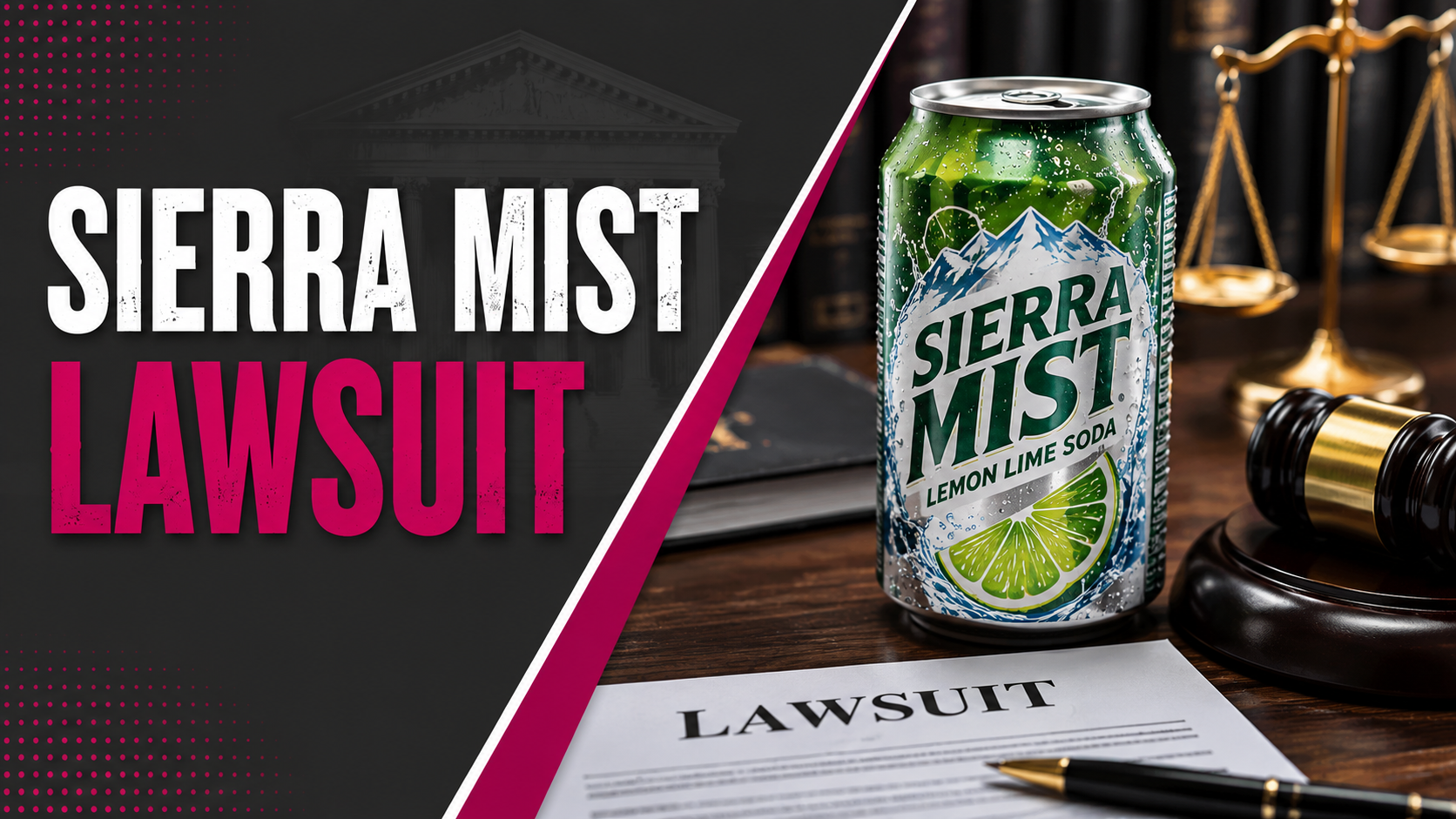
PepsiCo’s Sierra Mist, a long-standing lemon-lime soda, underwent a significant rebrand to Starry in early 2023. This change sparked widespread online discussion, including viral claims of a high-profile trademark dispute with social media influencer Cierra Mistt. Many social media users referred to the situation as the “Sierra Mist lawsuit,” suggesting that the company lost control of its brand name due to legal action.
This article examines the facts of the viral claims, the relevant legal principles in trademark law, and the business context of the rebranding. It separates documented information from unverified allegations circulating on platforms like TikTok.
Background on Sierra Mist and the Rebrand
Sierra Mist launched in 1999 as PepsiCo’s entry into the competitive lemon-lime soda category, primarily to challenge Coca-Cola’s Sprite. Over the years, the brand underwent several updates, including a temporary shift to “Mist Twst” in 2016 before reverting to Sierra Mist in 2018. Despite periodic sales success, it struggled to capture significant market share against Sprite.
In January 2023, PepsiCo discontinued Sierra Mist and introduced Starry as its replacement. The new beverage featured a different formulation, updated packaging, and marketing aimed at younger consumers, particularly Gen Z. Company statements emphasized a strategic pivot to better compete in a growing category, citing opportunities for innovation in flavor and branding.
Business decisions of this nature are common in consumer packaged goods. Companies regularly evaluate brand performance through sales data, consumer feedback, and market trends. When a product underperforms relative to competitors, rebranding or reformulation often follows established corporate practices.
The Viral Claims: Cierra Mistt and Alleged Trademark Dispute
Around the time of the rebrand, TikTok influencer Cierra Mistt shared videos claiming that PepsiCo had sent her a cease-and-desist letter regarding her username and personal brand, which sounded similar to “Sierra Mist.” She alleged that the company’s trademark protections had lapsed, allowing her to acquire rights to the name. According to her accounts, this led to a successful counter-claim, forcing PepsiCo to rebrand and even offering her a substantial settlement, which she reportedly declined.
These narratives quickly spread, framing the situation as a David-versus-Goliath victory for an individual against a major corporation. Variations of the story appeared across social media, often amplified with dramatic details about copyright or trademark expiration and multimillion-dollar offers.
Legal Analysis: Trademark Principles and Facts
Trademark law in the United States, governed primarily by the Lanham Act (15 U.S.C. § 1051 et seq.), protects brand names, logos, and other identifiers to prevent consumer confusion in the marketplace. Unlike copyrights, which protect original creative works for a limited time, trademarks can last indefinitely as long as they are in use and properly maintained through renewals with the United States Patent and Trademark Office (USPTO).
Key elements of a trademark infringement claim typically include:
- Ownership of a valid, protectable mark.
- Priority of use or registration.
- Likelihood of consumer confusion based on similarity in sight, sound, or meaning.
Cease-and-desist letters represent a standard initial step in trademark enforcement. They notify the recipient of potential issues and seek voluntary compliance without immediate court involvement. Such letters do not equate to a filed lawsuit, nor do they indicate weakness in the sender’s position. Many disputes resolve at this stage through negotiation or cessation of the challenged use.
Public USPTO records confirm that PepsiCo maintains active federal trademark registrations for Sierra Mist. There is no evidence of a lapse that would allow third-party acquisition, nor any filed federal lawsuit or Trademark Trial and Appeal Board (TTAB) proceeding between PepsiCo and Cierra Mistt resulting in a transfer of rights. Claims of expired protections and successful counter-ownership appear unsupported by court dockets or official filings.
Distinguishing trademark from copyright is important here. Copyright protects artistic or literary expressions and has fixed terms (generally the life of the author plus 70 years). Brand names fall under trademark law, not copyright. Mischaracterizing the issue as a copyright matter further highlights inaccuracies in the viral narrative.
Court Processes and Why No Major Litigation Appears
If a genuine dispute escalated, parties might file in federal district court for trademark infringement, dilution, or related claims under the Lanham Act. Typical proceedings involve:
- Complaint and answer.
- Discovery of evidence (sales data, consumer surveys on confusion, marketing materials).
- Potential motions for summary judgment.
- Trial or settlement.
Settlements in such cases often include confidentiality provisions. However, major victories transferring a well-known brand name from a Fortune 500 company to an individual would generate public records, USPTO updates, and extensive media coverage from legal outlets. No such verifiable records exist in this instance.
Consumer class actions sometimes arise around product rebrands, alleging misleading marketing (e.g., implying Starry is merely a renamed Sierra Mist rather than a distinct product). Reports of such claims remain largely speculative, with limited evidence of certified class proceedings yielding significant outcomes to date.
Business Context and Real-World Impacts
Rebrands like the transition from Sierra Mist to Starry reflect broader market dynamics. PepsiCo faced Sprite’s dominance, with the latter holding a much larger share of the lemon-lime segment. Updating formulas, packaging, and marketing targets helps maintain relevance amid shifting consumer preferences toward bolder flavors or different sweeteners.
For consumers, such changes can cause short-term confusion but often aim to deliver improved products. Affected individuals might notice availability shifts in stores or vending machines. From a regulatory perspective, the Federal Trade Commission (FTC) oversees advertising claims, requiring substantiation to avoid deception, while the Food and Drug Administration (FDA) handles labeling for beverages.
Influencers and personal brands navigating similar names must consider common-law rights and potential likelihood of confusion, especially with nationally recognized marks. Proactive clearance searches via USPTO databases and legal counsel help mitigate risks.
Why the Story Went Viral
Social media amplifies compelling narratives of individuals prevailing against corporations. The phonetic similarity between “Cierra Mistt” and “Sierra Mist” lent plausibility to the tale, tapping into public interest in intellectual property stories and skepticism toward big business. However, viral content frequently prioritizes engagement over verification, leading to the spread of incomplete or inaccurate details.
Legal journalists and trademark experts have addressed the claims directly, emphasizing the importance of checking primary sources like USPTO records and court filings rather than relying solely on self-reported accounts.
Key Takeaways for Consumers and Businesses
- Verify Information: Cross-reference viral legal stories with official records from courts, the USPTO, or reputable news sources.
- Trademark Maintenance: Companies must actively use and renew registrations to preserve rights. Individuals building personal brands should conduct thorough searches to avoid conflicts.
- Consumer Rights: If a product change involves alleged misleading practices, affected parties can explore remedies through regulatory complaints or civil actions, though success depends on provable harm and legal standards.
- No Legal Advice: This article provides general information on trademark concepts and public facts. It does not constitute legal advice. Consult a qualified attorney for specific situations.
The Sierra Mist rebrand to Starry appears driven by commercial strategy rather than a decisive loss in litigation. While a cease-and-desist letter may have been exchanged, the absence of public court records, ongoing ownership by PepsiCo, and documented business rationale point to the viral “lawsuit victory” claims as unsubstantiated.
Trademark disputes highlight the balance between protecting established brands and allowing personal expression. In this case, the facts underscore the value of due diligence in both corporate enforcement and individual online branding. As with many internet phenomena, separating signal from noise requires attention to verifiable legal processes and institutional records.