
 By Tort Law Team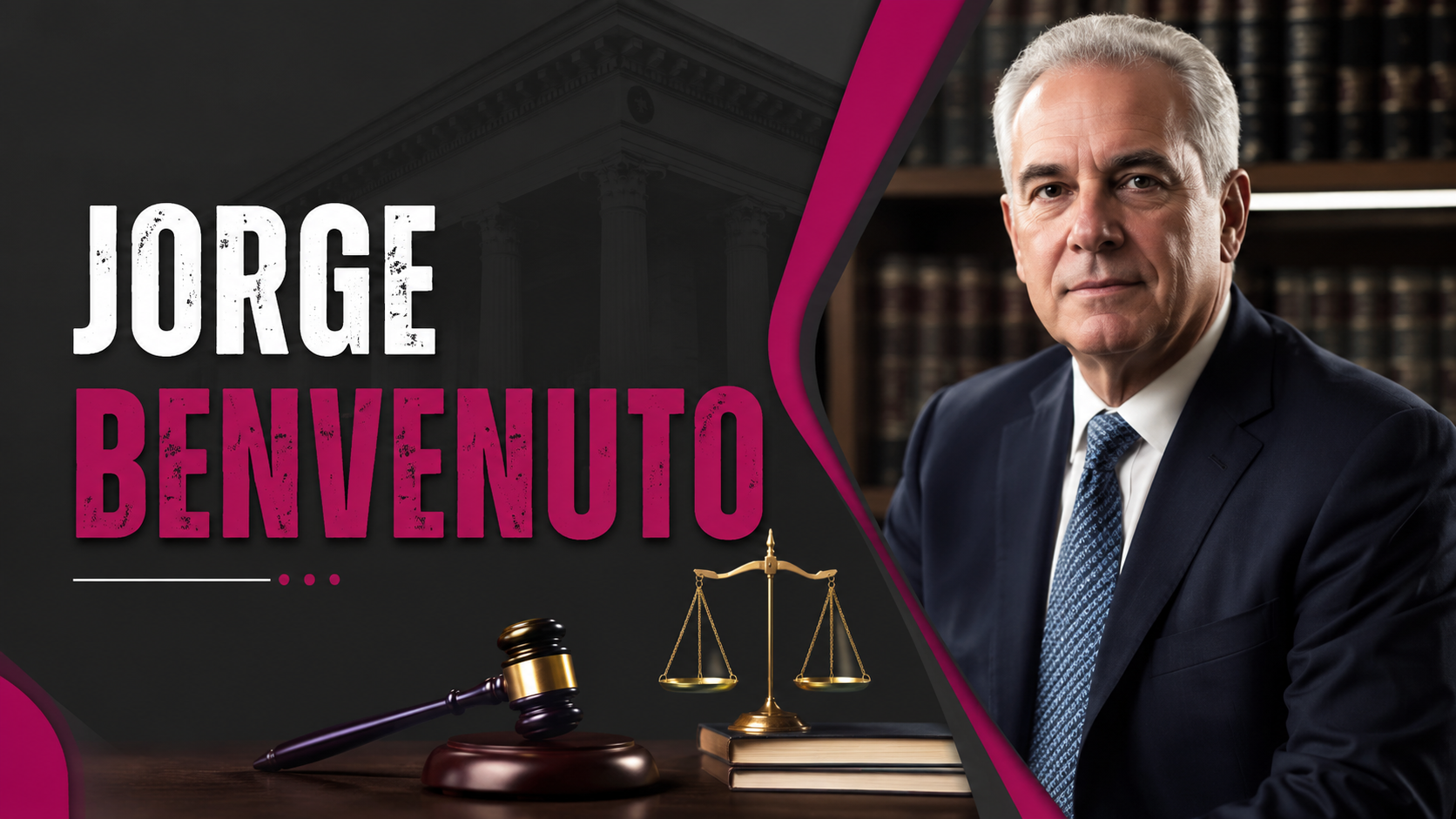
On a clear August night in 1996, two teenagers headed to Little Dell Reservoir near Salt Lake City to photograph the full moon. What began as a simple outing ended in gunfire that left one dead and another fighting for her life. The shooter, Jorge Benvenuto, later admitted he had been looking for a victim simply to experience killing someone.
This article examines the full criminal case history of Jorge Benvenuto, from the investigation and capital murder charges through the plea bargain that spared him the death penalty, the Utah Supreme Court appeals, and the lasting questions about competency, consular rights, and life without parole in Utah. It offers a clear look at plea dynamics, post-conviction challenges, and the human cost for victims and families.
The Little Dell Reservoir Shooting of 1996
On the evening of August 28, 1996, 18-year-old Zachary Snarr and his friend Yvette Rodier drove to Little Dell Reservoir in Parleys Canyon. Snarr, a recent Highland High School graduate and skilled photographer, set up a camera and tripod to capture the rising full moon.
A white truck pulled up nearby. Jorge Benvenuto, then 19, approached the pair from behind and asked a brief question about the path. When they turned away, he opened fire with a .44 Magnum handgun at close range.
Two bullets struck Snarr in the head and one in the abdomen. He died at the scene. Rodier was hit multiple times in the head, shoulder, torso, and leg. She played dead as Benvenuto reloaded and fired again, then searched both victims’ pockets for keys. He took Snarr’s vehicle and fled, leaving his own truck behind.
Rodier crawled roughly 200 yards to the highway and flagged down a motorist. She survived after multiple surgeries, permanent injuries, and lasting trauma. Police quickly linked the abandoned truck to Benvenuto. He was arrested the next day near Lehi after walking along railroad tracks. He confessed almost immediately, expressing surprise that Rodier had lived and stating he had wanted to see what it felt like to kill someone.
Investigators learned Benvenuto had recently bought the gun, played Russian roulette with it, and told a friend he had wondered what shooting a person would be like. He had no prior criminal record. The case was quickly labeled a “thrill kill.”
Investigation, Charges, and Early Proceedings
Salt Lake County sheriff’s detectives interviewed Benvenuto shortly after his arrest. He waived his right to an attorney and described the crime in detail. He said he had been tired of living and had decided to kill someone at random.
Prosecutors charged him with capital murder (aggravated murder of Zachary Snarr), attempted capital murder (of Yvette Rodier), and two counts of aggravated robbery. Bail was set at $1 million. Because the murder charge carried the possibility of the death penalty, the case drew intense scrutiny.
The Salt Lake Legal Defender Association assigned a team of experienced attorneys, several of whom had handled prior capital cases. Early in the process, the defense raised concerns about Benvenuto’s mental health. He spent months on suicide watch in the jail’s mental health unit and received medication. Two experts, a forensic psychologist and a forensic psychiatrist, evaluated him. Both concluded he was competent to assist in his defense. The defense later withdrew its formal competency petition.
Preliminary hearings included dramatic testimony from Rodier, who identified Benvenuto in court as the shooter. The case moved toward a capital trial.
The Capital Murder Plea Deal and Rule 11 Colloquy
Facing the death penalty, Benvenuto’s attorneys negotiated with prosecutors. In October 1997, the State offered a plea agreement: Benvenuto would plead guilty to aggravated murder and attempted aggravated murder. In exchange, the robbery counts would be dismissed and the State would not seek the death penalty.
On October 15, 1997, Benvenuto entered the pleas before Third District Judge Anne M. Stirba. The court conducted a full Rule 11 plea colloquy under the Utah Rules of Criminal Procedure. The judge confirmed that Benvenuto understood the charges, the rights he was waiving, and the consequences. One of his attorneys stated that although mental health issues existed, Benvenuto was intelligent and fully capable of understanding the proceedings. Benvenuto himself told the court he was not being treated for any medical or mental condition at that time.
The court accepted the pleas as knowing and voluntary. Although the written agreement did not specify a sentence, the judge indicated that, consistent with the wishes of the victims’ families and discussions with counsel, she would impose life without the possibility of parole if the evidence supported it.
This capital murder plea deal reflected a common dynamic in death-eligible cases: defendants often accept a certain life sentence to avoid the risk of execution, while prosecutors secure a conviction without the expense and uncertainty of a capital trial and subsequent appeals.
Sentencing and Immediate Aftermath
Before formal sentencing, Benvenuto hired new private counsel and moved to withdraw his guilty pleas. He argued that depression and confusion had impaired his judgment, making the pleas involuntary. At an evidentiary hearing in January 1998, his siblings testified about his mental state. The defense claimed prior counsel had not fully disclosed his mental health history.
Judge Stirba denied the motion. She found that Benvenuto’s demeanor had been consistent, he had never appeared disoriented, and the record showed a knowing and voluntary plea. On January 30, 1998, she sentenced him to life without parole for the murder of Zachary Snarr, plus a consecutive term of five years to life for the attempted murder of Yvette Rodier. She also ordered restitution of $150,000 for Rodier’s medical bills and stated she would recommend to the Utah Board of Pardons and Parole that he never be released.
Victims and family members spoke at the hearing about the permanent physical and emotional damage. Benvenuto remained silent.
State v. Benvenuto: The 1999 Utah Supreme Court Appeal
Benvenuto appealed the denial of his motion to withdraw the pleas. In State v. Benvenuto, 1999 UT 60, the Utah Supreme Court unanimously affirmed. Justice Leonard H. Russon wrote that the trial court’s findings were supported by the record.
The Court emphasized that mild or moderate depression, standing alone, does not automatically render a plea involuntary. Benvenuto’s attorneys had monitored his mental condition carefully, obtained expert opinions confirming competence, and consulted with him extensively. The Rule 11 colloquy had been thorough. There was no clear error in the trial court’s conclusion that the plea was knowing and voluntary.
This decision reinforced Utah’s strict compliance standard for guilty pleas and the high bar for withdrawing a plea after a proper colloquy.
Post-Conviction Claims: Vienna Convention and Consular Rights
Years later, Benvenuto raised a new claim. Born in Uruguay, he had come to the United States as a child and had long believed or represented himself as a U.S. citizen. After learning of his foreign nationality, he argued that law enforcement had violated his rights under the Vienna Convention on Consular Relations by failing to notify him of his right to contact the Uruguayan consulate upon arrest.
He also claimed ineffective assistance of counsel for failing to investigate his citizenship and raise the consular issue. In 2005 he filed a petition for post-conviction relief seeking to withdraw his pleas.
The district court denied the petition. In Benvenuto v. State, 2007 UT 53, the Utah Supreme Court affirmed. The Court held the claims were procedurally barred because they could have been raised earlier, and they were time-barred under Utah’s Post-Conviction Remedies Act. Counsel was not ineffective: a reasonable attorney would not have investigated foreign citizenship when the defendant consistently presented himself as a U.S. citizen. Even if a Vienna Convention violation had occurred, it would not automatically invalidate a knowing and voluntary guilty plea.
The ruling illustrated the strict procedural and time limits that often close the door on later challenges, even when international treaty rights are at issue.
Life Without Parole, Board of Pardons, and Later Developments
Utah’s life without parole sentence means the Utah Board of Pardons and Parole generally cannot grant release unless specific statutory criteria are met, such as clear and convincing evidence that the offender is permanently incapable of being a threat to society. Judge Stirba’s recommendation against release carried significant weight.
In recent years the case has drawn renewed attention through the KSL podcast The Letter. Benvenuto wrote a letter of remorse to the Snarr family. Over time, Sy and Ron Snarr developed a relationship with him and his family and eventually supported efforts to seek a commutation hearing. Yvette Rodier has opposed any change in the sentence.
In 2025 the Board denied a formal commutation request, finding insufficient evidence that Benvenuto met the high statutory standard for consideration. A victims’ hearing was held so the families could place their views on the record. The sentence of life without parole remains in effect. Benvenuto continues to serve his term at the Central Utah Correctional Facility.
Key Legal Lessons from the Jorge Benvenuto Case
Several principles stand out for students of criminal law and capital litigation:
- Plea bargain dynamics in capital cases often turn on the certainty of life without parole versus the uncertainty of a death sentence and decades of appeals.
- A thorough Rule 11 plea colloquy creates a strong presumption that the plea is knowing and voluntary. Later claims of depression or confusion face a high evidentiary burden.
- Mental health evaluations and competence determinations are critical early steps, yet a finding of competence does not preclude later arguments about voluntariness.
- Vienna Convention consular rights claims face significant procedural hurdles in post-conviction proceedings, especially when the defendant has represented himself as a U.S. citizen.
- Life without parole in Utah is a near-permanent sentence. The Board of Pardons and Parole operates under tight statutory limits when considering commutation.
The case also highlights the lasting impact on victims. Yvette Rodier has lived with physical injuries, trauma, and the knowledge that the man who shot her remains incarcerated. The Snarr family has navigated grief, anger, and, in later years, an unexpected path toward forgiveness while still supporting accountability.
Conclusion
The Jorge Benvenuto case remains a significant chapter in Utah criminal justice history. From the random violence at Little Dell Reservoir through the capital charges, the carefully negotiated plea, the failed attempts to withdraw that plea, and the later Vienna Convention claims, the legal trajectory illustrates both the power and the finality of a knowing guilty plea in a death-eligible case.
Readers interested in capital punishment debates, victims’ rights, or the practical limits of post-conviction relief will find the record instructive. For those studying the intersection of mental health, international treaty obligations, and state procedural bars, the published opinions in State v. Benvenuto and Benvenuto v. State reward careful reading.
If you are researching similar issues or supporting victims of violent crime, consult primary court opinions and established legal resources for the most current analysis.
Frequently Asked Questions
What happened in the Little Dell Reservoir shooting involving Jorge Benvenuto?
On August 28, 1996, Jorge Benvenuto approached Zachary Snarr and Yvette Rodier at Little Dell Reservoir and shot them without provocation. Snarr died. Rodier survived after playing dead and crawling for help. Benvenuto later confessed it was a random “thrill kill.”
Why did Jorge Benvenuto receive life without parole instead of the death penalty?
He entered a plea agreement in 1997 in which he pleaded guilty to aggravated murder and attempted aggravated murder. In exchange, the State agreed not to seek the death penalty. The court imposed life without parole consistent with the agreement and the wishes of the victims’ families.
What was the basis of Jorge Benvenuto’s motion to withdraw his guilty plea?
He claimed depression and confusion impaired his judgment at the time of the plea, making it involuntary. The trial court and the Utah Supreme Court rejected the claim, finding the plea knowing and voluntary after a proper Rule 11 colloquy.
Did Jorge Benvenuto succeed on his Vienna Convention consular rights claim?
No. The Utah Supreme Court held in 2007 that the claim was both procedurally barred and time-barred. Counsel was not ineffective for failing to investigate citizenship when Benvenuto had represented himself as a U.S. citizen.
Is Jorge Benvenuto eligible for parole or commutation?
He is serving life without the possibility of parole. The Utah Board of Pardons and Parole has denied a commutation request, finding insufficient evidence that he meets the strict statutory standard for consideration.
How has the case been covered in recent years?
The 2022 KSL podcast The Letter examined the crime, the legal proceedings, and the later correspondence between Benvenuto and the Snarr family, including themes of remorse, forgiveness, and ongoing disagreement among victims about the appropriate sentence.
Where can I find the official court opinions?
The 1999 decision is State v. Benvenuto, 1999 UT 60. The 2007 decision is Benvenuto v. State, 2007 UT 53. Both are available through Utah court archives and legal research platforms.
You May Also Like: Can You Go to Jail at an Arraignment? Key Facts