
 By Tort Law Team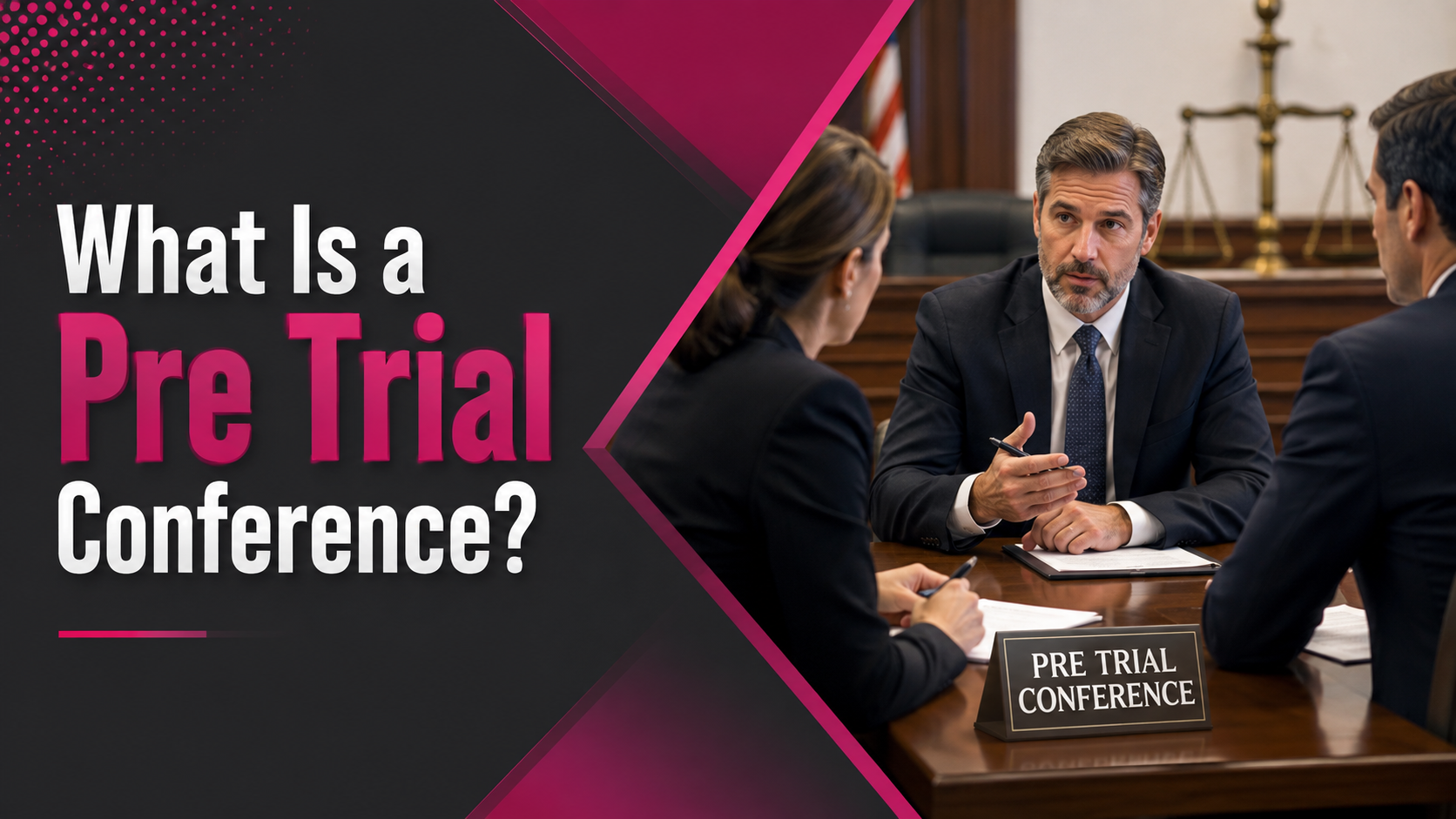
Facing a court date can feel overwhelming. Many people hear the term “pre trial conference” and wonder what it means for their case, their freedom, or their family. If you or someone you care about has pending criminal or civil charges, understanding this step can ease anxiety and help you prepare.
This guide explains what is a pre trial conference, what typically happens during one, how plea deals and court schedules fit in, and practical steps you can take. The goal is to demystify the process so you feel more informed and less alone. Procedures vary by state, court, and whether the case is criminal or civil, so this is general information. Always consult a qualified attorney for advice tailored to your situation.
Understanding the Pre Trial Conference in the Criminal Justice System
A pre trial conference is a scheduled court hearing that occurs after the arraignment and before a full trial. Think of it as a checkpoint in the criminal justice system. The judge, prosecutor, and defense attorney (and usually the defendant) meet to discuss the status of the case, exchange information, explore possible resolutions, and plan next steps.
In many jurisdictions, the court may call this hearing a status conference, settlement conference, or pretrial hearing. The name can differ, but the core purpose remains similar: move the case forward efficiently while giving both sides a chance to talk.
Why Courts Hold Pre Trial Conferences
Judges use these hearings for judicial case management. Courts handle high volumes of cases. A well-run pre trial conference helps:
- Identify issues that can be resolved early
- Encourage discussion of a possible plea bargain
- Ensure both sides have the evidence they need (through police reports and discovery)
- Set realistic timelines, including a potential setting a trial date
- Reduce last-minute delays that waste everyone’s time
In criminal cases, the conference does not decide guilt or innocence. It focuses on procedure, evidence, and possible agreement. In civil cases, the focus is often on narrowing claims, exchanging documents, and exploring settlement.
How It Fits After the Arraignment
At the arraignment, the defendant is formally told the charges and enters an initial plea, usually “not guilty.” The court then schedules the next appearance. That next step is often the pre trial conference.
Between the arraignment and the conference, the prosecutor and defense attorney begin exchanging information. This process is called discovery. It typically includes police reports, witness statements, video footage, lab results, and other evidence the prosecution intends to use.
What Happens at a Pre Trial Conference
The atmosphere is usually less formal than a trial. There is rarely testimony from witnesses. Instead, the attorneys and judge talk about the case.
Key Topics Usually Discussed
- Status of discovery Has the prosecution turned over all required materials? Does the defense need more time to review police reports, body-cam video, or forensic results? Incomplete discovery is one of the most common reasons a conference is continued to a later date.
- Possible plea agreements This is often the heart of the hearing. The prosecutor may offer a plea bargain: the defendant agrees to plead guilty or no contest to a reduced charge or the original charge in exchange for a lighter recommended sentence or dismissal of other counts. The defense attorney evaluates the offer against the strength of the evidence and advises the client.
- Motions Either side may file or discuss pretrial motions. Common examples include motions to suppress evidence (arguing that police obtained it illegally) or motions to dismiss. A successful motion can change the trajectory of the case.
- Scheduling If the case is not resolved, the court may set a trial date or schedule additional hearings. The judge considers the complexity of the case, availability of witnesses, and court calendar.
- Other administrative matters Bail or bond conditions may be reviewed. The court may also discuss whether the trial will be by jury or by judge alone.
Who Must Attend
In most criminal cases, the defendant is required to appear. Missing the hearing can result in a bench warrant. The prosecutor and defense attorney almost always attend. In some courts the judge participates actively; in others the attorneys negotiate and then report the outcome to the judge.
Crime victims or their representatives may have the right to be notified and, in some places, to be heard regarding any proposed plea. Family members of the defendant are usually not required but may attend if the court allows.
Possible Outcomes
Several things can happen:
- The parties reach a plea bargain and the defendant enters a change of plea. Sentencing may occur the same day or at a later hearing.
- The case is continued so both sides can finish investigation or discovery.
- The court sets a firm trial date.
- In limited circumstances, charges may be dismissed (more on that below).
- The parties report that they cannot agree and the case will proceed toward trial.
Plea Bargains: How They Work at the Pre Trial Conference
A large percentage of criminal cases resolve through plea agreements rather than trial. The pre trial conference is a natural time for these discussions because both sides usually have a clearer picture of the evidence by then.
What a Plea Bargain Typically Involves
The prosecutor may offer:
- A reduced charge (for example, from a felony to a misdemeanor)
- Dismissal of some counts in exchange for a plea to others
- A recommended sentence range or specific conditions (such as probation, treatment programs, or limited jail time)
The defense attorney reviews the offer with the client, explains the risks of going to trial, and may counter-offer. The final decision belongs to the defendant. No one can force a plea.
If an agreement is reached, the judge must still approve it. Judges sometimes reject deals they view as too lenient or inconsistent with the facts. In that case the defendant can usually withdraw the plea.
Why Plea Discussions Happen Early
Both sides have incentives. Prosecutors manage heavy caseloads and prefer predictable outcomes. Defendants may want to avoid the uncertainty and stress of trial, or they may receive a better offer before the case hardens. For less serious misdemeanor charges, resolution at the pre trial conference is relatively common. Felony cases often take longer and may involve multiple conferences.
Discovery, Police Reports, and Building a Defense
Discovery is the formal exchange of information. In criminal cases the prosecution generally has a duty to turn over evidence that is favorable to the defense as well as the materials it plans to use at trial.
At or before the pre trial conference, the defense attorney typically receives:
- Police reports
- Witness statements
- Video or audio recordings
- Laboratory or forensic results
- The defendant’s prior record (if relevant)
Reviewing these materials allows the defense to identify weaknesses, inconsistencies, or possible constitutional issues. That review often shapes the strategy discussed at the conference: whether to push for dismissal, negotiate a better plea, or prepare for trial.
If discovery is incomplete, the defense can ask the court to order production or continue the hearing. Persistent failures by the prosecution can sometimes support motions that benefit the defense.
Can a Case Be Dismissed at a Pre Trial Conference?
Yes, but it is not the most common outcome. Dismissal can occur in several ways:
- The prosecutor voluntarily drops the charges (for example, if a key witness becomes unavailable or new evidence undermines the case).
- The defense files a successful motion to dismiss based on legal grounds such as lack of probable cause, statute of limitations problems, or constitutional violations.
- The court grants a motion after finding that the evidence, even if true, does not support the charges.
Dismissal is more likely when the defense has carefully reviewed the discovery and raised specific, well-supported legal arguments. It is rarely automatic. Having an experienced attorney significantly improves the chances of identifying viable grounds.
How to Prepare for a Pre Trial Conference
Preparation reduces stress and helps you make informed decisions.
Practical Steps Before the Hearing
- Meet with your attorney well in advance. Discuss the evidence, possible plea offers, and your goals (avoiding jail, protecting a professional license, minimizing long-term consequences, etc.).
- Gather any documents your lawyer requests: employment records, character letters, medical information, or proof of community ties. These can support arguments about bail or sentencing.
- Understand the charges and potential penalties. Ask your attorney to explain them in plain language.
- Decide in advance what outcomes you would consider acceptable. Thinking under pressure in a courthouse hallway often leads to regret.
- Dress appropriately and arrive early. Courthouse security and check-in take time.
- Bring a calendar so you can note any new dates the court sets.
If You Do Not Have a Lawyer
Self-representation is allowed but carries serious risks. The prosecutor and defense attorney (when the defendant has one) speak the same professional language and know the local practices. A person without counsel may miss opportunities to negotiate, fail to raise important motions, or accept an offer that is not in their best interest. Most courts strongly encourage defendants to seek counsel. If you cannot afford a private attorney, ask about public defender eligibility or legal aid resources as early as possible.
Differences Between Criminal and Civil Pre Trial Conferences
While the basic idea is similar, the stakes and procedures differ.
In criminal cases, the focus is often on plea negotiations, discovery of police evidence, and protecting the defendant’s constitutional rights. The defendant must usually appear in person.
In civil cases, the conference centers on narrowing the issues in dispute, exchanging documents, identifying witnesses, and exploring settlement. Parties may appear through their lawyers. The court may issue a pretrial order that governs the rest of the case.
In both settings, the conference is a tool for efficient judicial case management rather than a mini-trial.
Common Pitfalls to Avoid
- Missing the hearing. A failure to appear can lead to a warrant and additional charges.
- Discussing the case with the prosecutor without your attorney present. Anything you say can be used against you.
- Waiting until the last minute to decide on a plea offer. Give yourself time to think and consult counsel.
- Assuming the conference is “just procedural” and unimportant. Outcomes at this stage can shape the entire case.
- Ignoring discovery deadlines or failing to provide information your attorney needs.
What Victims and Family Members Should Know
Victims often have rights to notification about court dates and proposed plea agreements. Some jurisdictions allow victims to speak at sentencing or to be heard regarding a proposed deal. If you are a victim, contact the prosecutor’s office or a victim advocate to learn the specific procedures in your area.
Family members of a defendant can provide practical and emotional support. Help the defendant stay organized with dates, transportation, and documents. Encourage them to work closely with their attorney rather than making decisions in isolation.
Looking Ahead: From Conference to Trial or Resolution
If the case does not resolve at the pre trial conference, the next steps may include additional conferences, motion hearings, or a firm trial date. Throughout this period the defense continues investigating, the prosecution continues preparing, and negotiations may continue.
Most cases never reach a jury. Understanding the pre trial conference helps you see it as one manageable step rather than an unknown threat.
Conclusion
A pre trial conference is a structured opportunity for the court, the prosecutor, and the defense to assess the case, exchange information, discuss possible plea agreements, and set the path forward. Knowing what is a pre trial conference and what to expect can reduce fear and help you participate more effectively.
Key takeaways: attend as required, work closely with a qualified attorney, review the discovery carefully, and approach any plea discussions with clear goals. The criminal justice system can feel intimidating, but preparation and good counsel make a real difference.
If you are facing charges or supporting someone who is, speak with an experienced criminal defense attorney as soon as possible. Early legal advice can protect your rights and improve the options available at the pre trial conference and beyond.
Frequently Asked Questions
What is a pre trial conference in a criminal case?
It is a court hearing after the arraignment and before trial where the judge, prosecutor, and defense attorney discuss the status of the case, exchange information, explore plea options, and plan next steps such as setting a trial date.
What happens at a pre trial conference with a lawyer?
Your attorney will usually meet with the prosecutor to review evidence, discuss possible plea offers, and address any outstanding issues. You and your lawyer then discuss the options before reporting to the judge.
Do you have to go to a pre trial conference without a lawyer?
In most criminal cases the defendant must appear. Representing yourself is allowed but risky. Courts generally encourage defendants to obtain counsel.
What to expect at a pre-trial conference?
Expect discussion of discovery, possible plea deals, scheduling, and any pending motions. The hearing itself is usually shorter and less formal than a trial. Outcomes range from a continued date to a change of plea or the setting of a trial date.
How to prepare for a pre trial conference?
Meet with your attorney beforehand, review the evidence, decide your goals for any plea discussions, gather supporting documents, dress appropriately, and arrive early.
Can a case be dismissed at a pre trial conference?
Yes, if the prosecutor drops the charges or the court grants a defense motion based on legal grounds such as insufficient evidence or constitutional violations. Dismissal is possible but not automatic.
How is a pre trial conference different from an arraignment?
The arraignment is the first formal appearance where charges are read and an initial plea is entered. The pre trial conference occurs later and focuses on case management, discovery, and possible resolution.
You May Also Like: Jorge Benvenuto: Case History & Legal Appeals