
 By Tort Law Team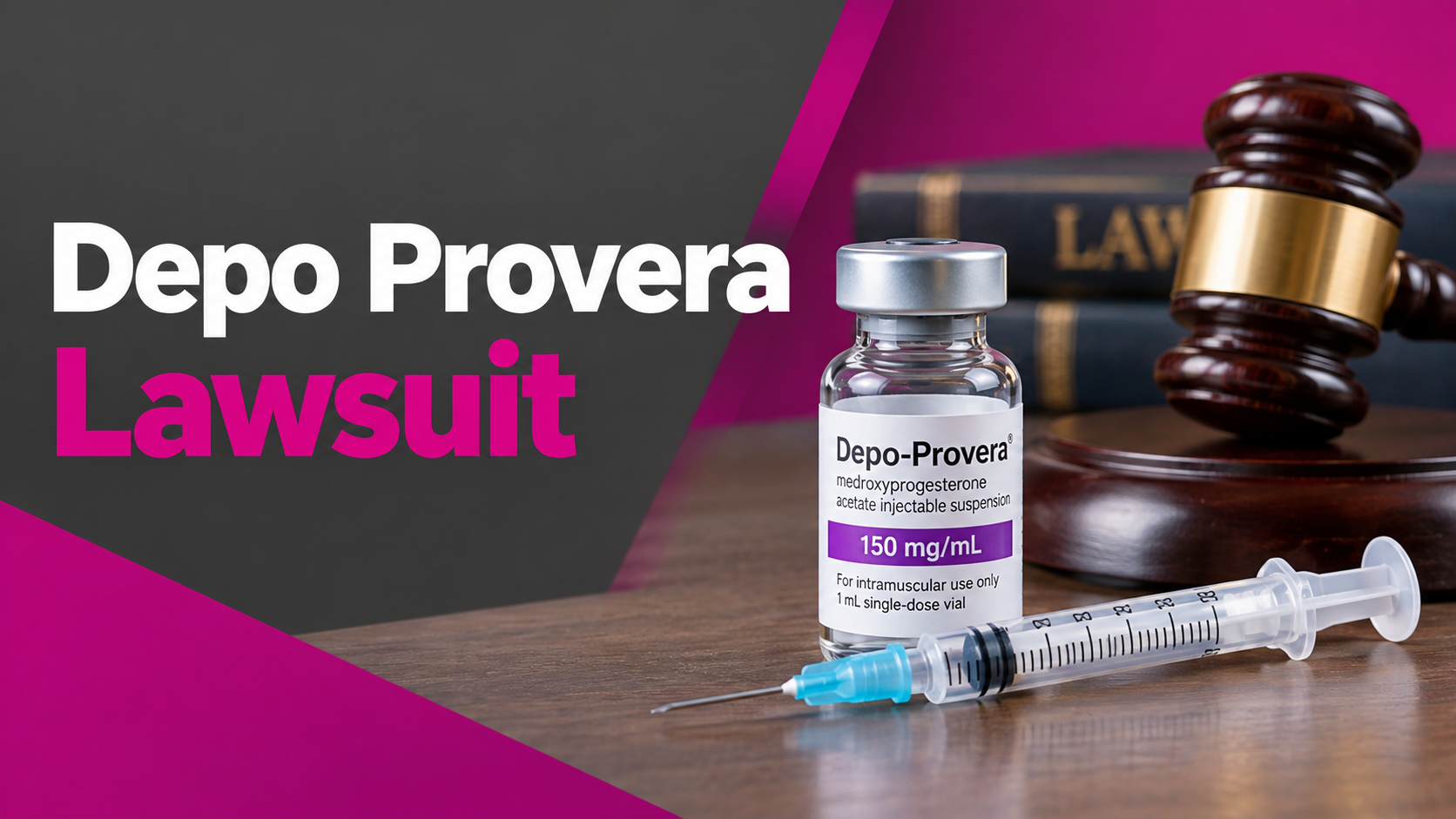
Thousands of women who relied on the Depo-Provera birth control injection later learned they had developed a meningioma, a tumor in the lining of the brain. Many say they never received a clear warning about this risk. If you or someone you love used this shot and later faced a brain tumor diagnosis, you are not alone. More than 6,400 federal cases now sit in a multidistrict litigation known as MDL-3140.
This article explains the medical connection, the current status of the Depo Provera lawsuit, who may qualify, how the settlement process is unfolding, and practical steps you can take. The goal is to give you clear, reliable information so you can decide whether to seek a free legal review of your situation.
What Is Depo-Provera and Why Are Women Filing Lawsuits?
Depo-Provera is the brand name for an injectable form of medroxyprogesterone acetate. Pfizer manufactures the drug. Doctors give the shot once every three months for contraception. A lower-dose version called Depo-SubQ Provera 104 is also available.
Women and their families allege that long-term use of this birth control injection raised their risk of developing intracranial tumor known as meningioma. Lawsuits claim Pfizer and related companies failed to warn patients and doctors about the danger for years, even as scientific evidence grew. These claims fall under Pfizer product liability and mass tort litigation theories of failure to warn and design defect.
The litigation focuses on neurological side effects that can require surgery, radiation, or lifelong monitoring. Plaintiffs say the lack of adequate warning deprived them of the chance to choose a different contraceptive.
The Medical Link Between Depo-Provera and Meningioma
Meningiomas form in the meninges, the protective membranes around the brain and spinal cord. Most are benign, yet they can press on critical structures and cause headaches, vision changes, hearing loss, seizures, or weakness. Treatment often involves surgery or radiation, both of which carry serious risks.
A 2024 French national study published in The BMJ found that women who used injectable medroxyprogesterone acetate for one year or longer faced roughly a 5.6-fold higher risk of needing surgery for intracranial meningioma compared with non-users.
A large 2025 U.S. study in JAMA Neurology examined more than 10 million women and reported a relative risk of 2.43 for meningioma among depot medroxyprogesterone acetate users. The elevated risk concentrated in women who used the drug for more than four years or who started after age 31.
In December 2025 the FDA added a meningioma warning to the Depo-Provera label. The updated prescribing information states that cases have been reported after repeated administration, primarily with long-term use, and advises doctors to monitor patients and stop the drug if a meningioma is diagnosed.
These developments strengthened the scientific foundation for the lawsuits. Plaintiffs argue the company should have acted earlier given earlier research on progestins and meningioma risk.
Current Status of the Depo Provera Lawsuit (September 2026)
All federal cases are centralized in MDL-3140 in the U.S. District Court for the Northern District of Florida before Judge M. Casey Rodgers. As of early September 2026, roughly 6,400 cases remain pending.
In June 2026, Pfizer and plaintiffs’ leadership reached a global settlement in principle. The parties later signed a Master Settlement Agreement. Court records indicate the deal is expected to cover about 80 percent of the federal MDL plaintiffs. Eligibility criteria and exact payment amounts have not been made public. Registration for the settlement program is targeted for completion in November 2026, with initial payments projected for the first quarter of 2027.
The first planned bellwether trial, originally set for December 2026, was vacated. Some general-causation hearings continue for claims that fall outside the settlement. State-court cases in places such as New York, Delaware, and California proceed on separate tracks and are not automatically included.
Pfizer has stated the agreement contains no admission of liability. The company maintains that Depo-Provera is safe and effective when used as directed.
Who Qualifies for the Depo Provera Lawsuit?
Eligibility is determined case by case, but common criteria used by firms reviewing claims include:
- Documented use of Depo-Provera, Depo-SubQ Provera 104, or an authorized generic injectable medroxyprogesterone acetate.
- Typically at least one year of use or four or more injections (some firms review shorter exposure if the injury is severe).
- Confirmed diagnosis of intracranial meningioma by MRI, CT, or pathology after the injections began.
- No pre-existing brain tumor before the first injection.
- Claim filed within the applicable state statute of limitations.
Spinal meningiomas and certain generic-only exposures may face additional hurdles. Statutes of limitations vary by state and often run from the date of diagnosis or the date the plaintiff reasonably discovered the link to the drug. The December 2025 FDA warning is frequently cited as a discovery trigger.
Women who used the shot for many years, underwent surgery or radiation, experienced permanent neurological deficits, or faced recurrence generally present stronger claims. Documentation is critical: pharmacy records, clinic notes, imaging reports, and surgical records help establish both exposure and injury.
If you are unsure whether your history meets these thresholds, a free consultation with an attorney experienced in this mass tort litigation can clarify your options.
How Long Did You Use the Shot?
Longer exposure generally strengthens the causal link under the published studies. Four or more years of use or starting after age 31 aligns with the higher-risk groups identified in the JAMA Neurology analysis. Even shorter courses may support a claim if medical records clearly connect the timing of use and diagnosis.
What Counts as Proof of Use?
Pharmacy printouts, insurance claims, physician progress notes, and injection logs all serve as evidence. When older records are hard to obtain, some courts have allowed sworn declarations supported by secondary documentation.
Potential Settlement Factors and Compensation Considerations
Because the Master Settlement Agreement remains confidential, no official payout matrix has been released. Lawyer estimates based on similar pharmaceutical injury cases suggest individual recoveries could range from the low six figures into seven figures for the most severe injuries. Factors that typically influence value in these matters include:
- Duration and total number of injections.
- Tumor grade, size, and location.
- Whether surgery, radiation, or both were required.
- Presence of permanent neurological deficits (vision loss, hearing loss, seizures, cognitive changes).
- Recurrence or multiple tumors.
- Lost wages, medical expenses, and impact on daily life.
- Strength of medical documentation.
The settlement is expected to include a claims-administration process with an allocation master and a qualified settlement fund. Common-benefit assessments (currently set around 7 percent in some orders) may apply to recoveries. Individual results will vary widely. No one can guarantee a specific amount.
Women whose claims fall outside the federal settlement criteria may still pursue litigation in state court or continue in the MDL under different procedures.
How to File a Depo Provera Lawsuit or Join the Settlement Process
- Gather your medical and pharmacy records showing Depo-Provera use and the meningioma diagnosis.
- Contact a lawyer who is actively handling these claims for a free case evaluation. Many work on a contingency-fee basis, meaning you pay nothing unless compensation is recovered.
- If your case qualifies, the attorney will prepare and file a complaint (or enroll you in the MDL if appropriate).
- Complete any required plaintiff fact sheets or questionnaires through the court-approved system.
- For those already in the MDL and eligible under the settlement, follow the registration instructions once they are released. Deadlines are expected in late 2026.
Acting promptly protects your rights. Statutes of limitations continue to run, and settlement registration windows will close.
Pitfalls to Avoid
Do not discard medical records or ignore letters from the court or claims administrator. Avoid signing anything that releases claims without legal advice. Be cautious of unsolicited offers that pressure quick decisions.
What Families Need to Know
A meningioma diagnosis affects more than the patient. Partners, children, and caregivers often share the emotional and financial burden. Lawsuits can seek compensation for the patient’s losses and, in some circumstances, for the impact on family members. Wrongful-death claims may be available if a related complication proved fatal, subject to state law.
Support resources, including patient advocacy groups focused on brain tumors, can help families navigate medical and emotional challenges while legal options are explored.
Conclusion
The Depo Provera lawsuit reflects a growing recognition that long-term users of this prescription contraceptive faced an elevated risk of meningioma that was not adequately disclosed for many years. Scientific studies, the 2025 FDA label change, and a global settlement in principle reached in 2026 have brought the issue into sharp focus.
If you used the birth control injection and later developed a brain tumor, you may have legal options. Gather your records and speak with a qualified attorney who can evaluate whether you meet the Depo Provera lawsuit qualification criteria. A free consultation costs nothing and can help you understand potential meningioma compensation payouts and next steps. You do not have to navigate this alone.
Frequently Asked Questions
What is the average settlement for a Depo Provera lawsuit?
No official average has been published. Lawyer estimates based on comparable cases range from approximately $150,000 to more than $1 million depending on injury severity and documentation. Actual amounts will be determined by the settlement allocation process or individual negotiation.
Who qualifies for the Depo Provera lawsuit?
Women who used injectable Depo-Provera or authorized generics for a sustained period (commonly one year or longer) and later received a confirmed intracranial meningioma diagnosis generally meet the core criteria. Exact settlement eligibility rules remain confidential.
How do I file a Depo Provera lawsuit?
Contact an experienced mass-tort attorney for a free review. If accepted, the lawyer handles filing, evidence collection, and either settlement enrollment or continued litigation.
Is there still time to join the Depo Provera lawsuit?
Yes for many people. New cases continue to be filed, and the federal settlement registration window is expected to remain open into late 2026. State statutes of limitations differ, so prompt action is important.
Does the settlement cover every case?
No. Court estimates suggest roughly 80 percent of federal MDL plaintiffs will qualify. State-court cases and claims that do not meet the confidential eligibility criteria remain outside the agreement.
What if I only used a generic version?
Authorized generics linked to Pfizer or its affiliates may qualify. Pure third-party generics can present greater challenges and require individual legal analysis.
Will I have to go to court?
Most eligible MDL plaintiffs are expected to resolve claims through the settlement program without a personal court appearance. Cases outside the settlement may proceed to further litigation.
You May Also Like: Taxotere Lawsuit Attorney: How to Claim Compensation