
 By Tort Law Team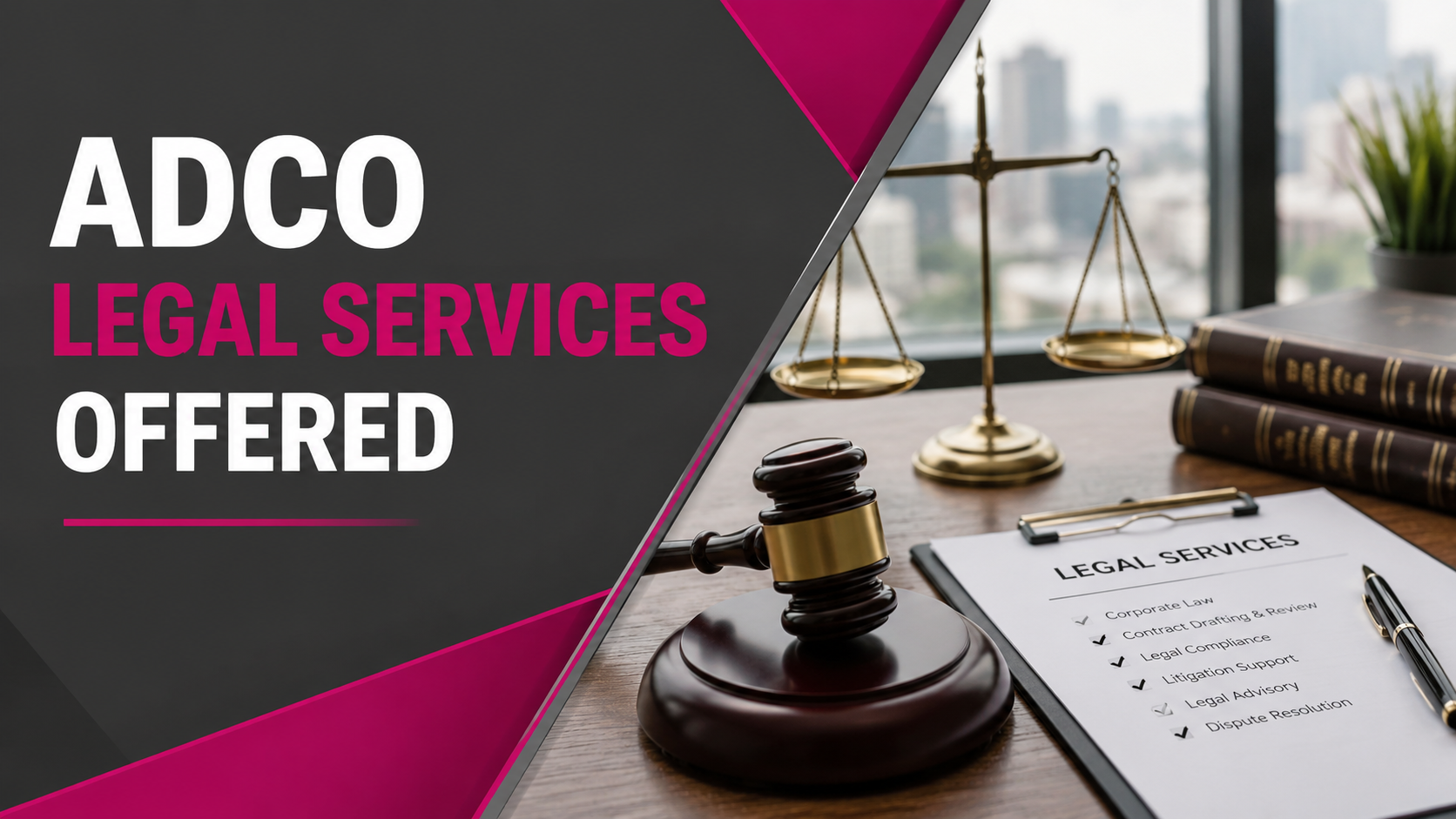
Running a business means facing constant pressure. Contracts can break down. Partners may disagree. Competitors might copy your brand. Regulations shift without warning. For small to mid-sized business owners, corporate executives, and individuals handling commercial or intellectual property matters, these challenges feel personal and high-stakes. You need more than generic advice. You need a strategic partner who understands both the law and the realities of growing a company.
This article explains how ADCO legal services offered can protect your business interests. We will walk through the key areas of support, show why expert counsel matters, and outline practical steps you can take. The goal is simple: help you evaluate whether this type of professional legal counsel aligns with your needs and guide you toward informed action.
Why Businesses Need Strategic Legal Support
Every successful company eventually confronts legal risk. A poorly drafted contract can cost far more than the original deal was worth. An unprotected trademark leaves your brand vulnerable. An unresolved shareholder dispute can freeze decision-making for months. Regulatory gaps invite fines or worse.
Professional legal counsel does more than react to problems. It prevents many of them. It also positions you to respond quickly and effectively when issues arise. Firms that focus on commercial matters bring both technical knowledge and practical business judgment. They help you manage risk while keeping operations moving forward.
Consider a mid-sized manufacturing firm that discovers a former employee has taken customer lists and started a competing business. Without clear employment contracts, non-compete language, and intellectual property protection already in place, recovery becomes expensive and uncertain. Early advice changes the outcome. That is the difference between reactive legal work and proactive business law strategy.
Overview of ADCO Legal Services Offered
ADCO Legal specialises in commercial and personal law with a clear priority: putting client interests first and achieving results efficiently. The firm’s commercial services cover several interconnected areas that directly safeguard business interests. These include civil and commercial disputes, business crime, intellectual property, commercial property, insolvency and restructuring, and employment law.
Each service works as part of a broader toolkit. A contract dispute may involve intellectual property questions. An employment issue can escalate into a larger commercial conflict. Integrated support means one team understands the full picture rather than handing pieces to different specialists.
The approach is practical. Solicitors analyse the facts, apply the relevant law, and develop a customised plan aimed at the best possible outcome. Communication stays clear. Clients remain informed at every stage. This style builds trust and reduces the stress that often accompanies legal matters.
Civil and Commercial Disputes: Resolving Conflict Effectively
Disputes are inevitable in business. The question is how quickly and cost-effectively you can resolve them.
Common issues include:
- Contract breaches
- Shareholder disagreements
- Professional negligence claims
- Defamation matters
- Applications for injunctions
Dispute resolution begins long before anyone files a claim. Skilled solicitors first explore negotiation, mediation, or other alternative methods. These approaches often preserve relationships and control costs. When litigation becomes necessary, the same team provides full litigation support, from preparing pleadings to representing you in court.
A real-world example helps illustrate the value. Imagine two directors of a growing tech company who fall out over strategy and equity. Without early intervention, the company stalls while lawyers exchange letters. A firm experienced in shareholder disputes can help structure a clean exit, protect the company’s value, and keep the business operational. Speed and commercial awareness matter as much as legal technicality.
Key pitfalls to avoid include delaying action until positions harden, relying on informal email trails instead of clear written agreements, and underestimating the cost of prolonged conflict. Early professional legal counsel often turns a potential crisis into a manageable process.
Intellectual Property Protection: Guarding Your Competitive Edge
Your brand, inventions, creative works, and confidential information form the core of your competitive advantage. Losing control of them can be devastating.
Intellectual property protection services typically cover:
- Trade mark applications and oppositions
- Passing off actions
- Copyright matters
- Brand protection and enforcement
Registering a trade mark is only the first step. Ongoing monitoring and enforcement prevent others from diluting or copying your identity. When infringement occurs, swift action can stop the damage and recover losses.
For small businesses especially, the cost of not protecting IP often exceeds the cost of protection. A local retailer that builds a distinctive brand name and logo without registration may later discover a larger competitor has registered a similar mark and forced a rebrand. The expense and lost goodwill far outweigh the original registration fee.
Expert advice also helps commercialise IP through licensing agreements that generate revenue while retaining control. Proper documentation reduces the risk of future disputes over ownership or usage rights.
External resources such as the UK Intellectual Property Office (gov.uk) provide official guidance on registration processes and rights. Combining that information with tailored legal strategy strengthens your position.
Contract Negotiation and Commercial Agreements
Contracts sit at the heart of almost every business relationship. Weak terms create exposure. Strong terms allocate risk fairly and provide clear remedies when things go wrong.
Professional support in contract negotiation includes drafting, reviewing, and negotiating agreements that match your commercial goals. This covers supply contracts, distribution deals, shareholder agreements, service level agreements, and more.
The process usually starts with understanding your priorities. What outcomes matter most? Which risks can you accept and which must you transfer? Solicitors then translate those priorities into precise language that holds up under scrutiny.
Many businesses still rely on templates found online or agreements inherited from previous deals. These documents often contain outdated clauses, missing protections, or language that favours the other party. A thorough review identifies gaps and proposes improvements before you sign.
When disputes arise from contracts, the same team that drafted or reviewed the document is already familiar with its terms. This continuity saves time and strengthens your position in negotiation or court.
Corporate Compliance and Regulatory Adherence
Regulators expect businesses to understand and follow the rules that apply to their sector. Failure can result in fines, director disqualification, or criminal liability.
Corporate compliance and regulatory adherence services help you stay on the right side of the law. This includes advice on company formation and governance, ongoing statutory obligations, sector-specific regulations, and responses to investigations.
Business crime advice covers areas such as money laundering risks, corporate fraud concerns, regulatory investigations, and related restraint or confiscation proceedings. Early engagement often prevents issues from escalating.
A practical tip: treat compliance as an ongoing process rather than a one-time checklist. Regular reviews of policies, training for staff, and clear internal reporting channels reduce risk. When an issue surfaces, prompt legal advice helps you respond appropriately and demonstrate good faith to regulators.
Employment Law Support for Business Stability
People issues rank among the most common sources of legal risk for growing companies. Poorly handled dismissals, discrimination claims, or TUPE transfers can disrupt operations and damage reputation.
Employment law services for businesses typically include:
- Drafting and reviewing employment contracts and staff handbooks
- HR support and policy development
- Advice on disciplinary and grievance processes
- Settlement agreements
- Representation in employment tribunal claims
- Guidance on TUPE and business transfers
Clear contracts and well-communicated policies set expectations from day one. When problems arise, following a fair process significantly improves your position. Settlement agreements can resolve disputes confidentially and allow both sides to move forward.
For executives and business owners, personal employment advice may also be relevant when changing roles or exiting a company. The same principles of clear documentation and strategic negotiation apply.
Insolvency, Restructuring, and Risk Management
Not every business faces financial distress, but many encounter cash-flow pressure or the need to restructure. Early advice can preserve value and protect directors from personal liability.
Services in this area cover liquidation, administration, company voluntary arrangements, winding-up petitions, and directors’ duties during financial difficulty. Risk management advice helps directors understand their responsibilities and take appropriate steps at the right time.
Directors who continue trading when the company is insolvent risk personal claims. Timely professional guidance clarifies options and supports better decision-making. In some cases, restructuring allows the viable parts of a business to continue under new arrangements.
Commercial Property Matters
Property decisions carry long-term consequences. Leases, acquisitions, developments, and landlord-tenant relationships all require careful handling.
Support covers commercial property transactions, business conveyancing, development work, and ongoing landlord and tenant issues. Clear leases allocate repair obligations, rent review mechanisms, and exit rights. Disputes over these terms can be expensive if the original documents lack precision.
For growing businesses, advice on expansion sites, fit-out agreements, and break clauses helps maintain flexibility. For property owners, robust documentation protects income streams and asset value.
How Expert Counsel Delivers Practical Value
The real benefit of ADCO legal services offered lies in the combination of technical skill and commercial focus. Clients consistently highlight clear communication, regular updates, and a results-oriented approach. One business client described a long, difficult dispute that ended with a strong outcome after the team handled the matter with skill and persistence.
Value appears in several ways:
- Prevention of problems through better contracts and policies
- Faster resolution when disputes arise
- Protection of intangible assets such as brands and confidential information
- Reduced personal risk for directors and owners
- Strategic advice that supports growth rather than merely reacting to threats
Choosing the right firm involves looking beyond a list of services. Ask about experience with businesses of your size and sector. Inquire about communication style and fee transparency. Consider whether the team feels like a partner who understands your commercial pressures.
Steps to Engage Professional Legal Support
If you recognise any of the risks described above, the next step is straightforward.
- Identify your most pressing concern or the area where you want proactive advice.
- Gather relevant documents such as existing contracts, correspondence, or corporate records.
- Contact the firm to arrange an initial consultation. Many matters begin with a clear discussion of the facts and possible options.
- Discuss scope, timeline, and costs so expectations stay aligned.
- Work collaboratively as the strategy develops.
Early engagement almost always produces better outcomes than waiting until a problem becomes urgent.
Common Pitfalls Businesses Should Avoid
Several recurring mistakes increase legal exposure:
- Signing contracts without review
- Neglecting to register or enforce intellectual property
- Handling employment issues informally
- Ignoring early signs of financial difficulty
- Assuming that “it will never happen to us”
Each of these can be addressed with relatively modest investment in professional advice. The cost of prevention is almost always lower than the cost of cure.
Building Long-Term Protection Through Business Law Strategy
Legal support works best as an ongoing relationship rather than a series of isolated transactions. Regular reviews of key contracts, annual compliance check-ups, and prompt advice on emerging issues create a protective framework around your business.
This approach turns legal services into a form of risk management. You gain confidence that potential problems have been anticipated and that expert help is available when needed. For busy owners and executives, that peace of mind has real value.
Conclusion
Protecting business interests requires more than good intentions. It demands clear contracts, secured intellectual property, compliant operations, and effective dispute resolution when conflicts arise. ADCO legal services offered provide a comprehensive set of tools designed for exactly these needs. From commercial disputes and intellectual property protection to employment advice and restructuring support, the focus remains on practical results that safeguard your company and support its growth.
The most effective time to seek advice is before a problem becomes a crisis. A short consultation can clarify your position and outline sensible next steps. Contact ADCO Legal to discuss how their professional legal counsel can help protect what you have built.
Frequently Asked Questions
What are the specific ADCO legal services offered for businesses?
The firm provides civil and commercial dispute resolution, business crime advice, intellectual property protection, commercial property support, insolvency and restructuring guidance, and employment law services tailored to commercial needs.
How can ADCO legal services offered help small businesses specifically?
Small businesses often face the same legal risks as larger companies but with fewer internal resources. Practical, cost-conscious advice on contracts, IP, employment, and disputes helps level the playing field and prevent issues from escalating.
What are the benefits of choosing ADCO Legal for business matters?
Clients value clear communication, a results-focused approach, and solicitors who prioritise commercial outcomes. The integrated range of services means related issues can be handled by one coordinated team.
How do I contact ADCO Legal for a consultation?
You can reach the firm by telephone at 0161 383 4830 or by email at info@adcolegal.co.uk. Offices are located at Offices 4&5 Phoenix House, 100 Brierley Street, Bury. Initial discussions help determine the best way forward.
Does the firm handle both commercial and personal legal matters?
Yes. While this article focuses on business protection, the firm also offers personal services including employment claims for individuals, dispute resolution, family law, personal injury, and criminal defence.
How does expert legal advice from ADCO attorneys differ from general counsel?
The emphasis is on commercial awareness combined with specialist knowledge. Advice is designed to be practical, timely, and aligned with the client’s business objectives rather than purely academic.
What should I prepare before an initial consultation?
Bring any relevant contracts, correspondence, corporate documents, or a clear summary of the issue. The more context you provide, the more focused and useful the discussion will be.
You May Also Like: Glenn J. Waldman: Florida ADR Attorney & Mediator Profile