
 By Tort Law Team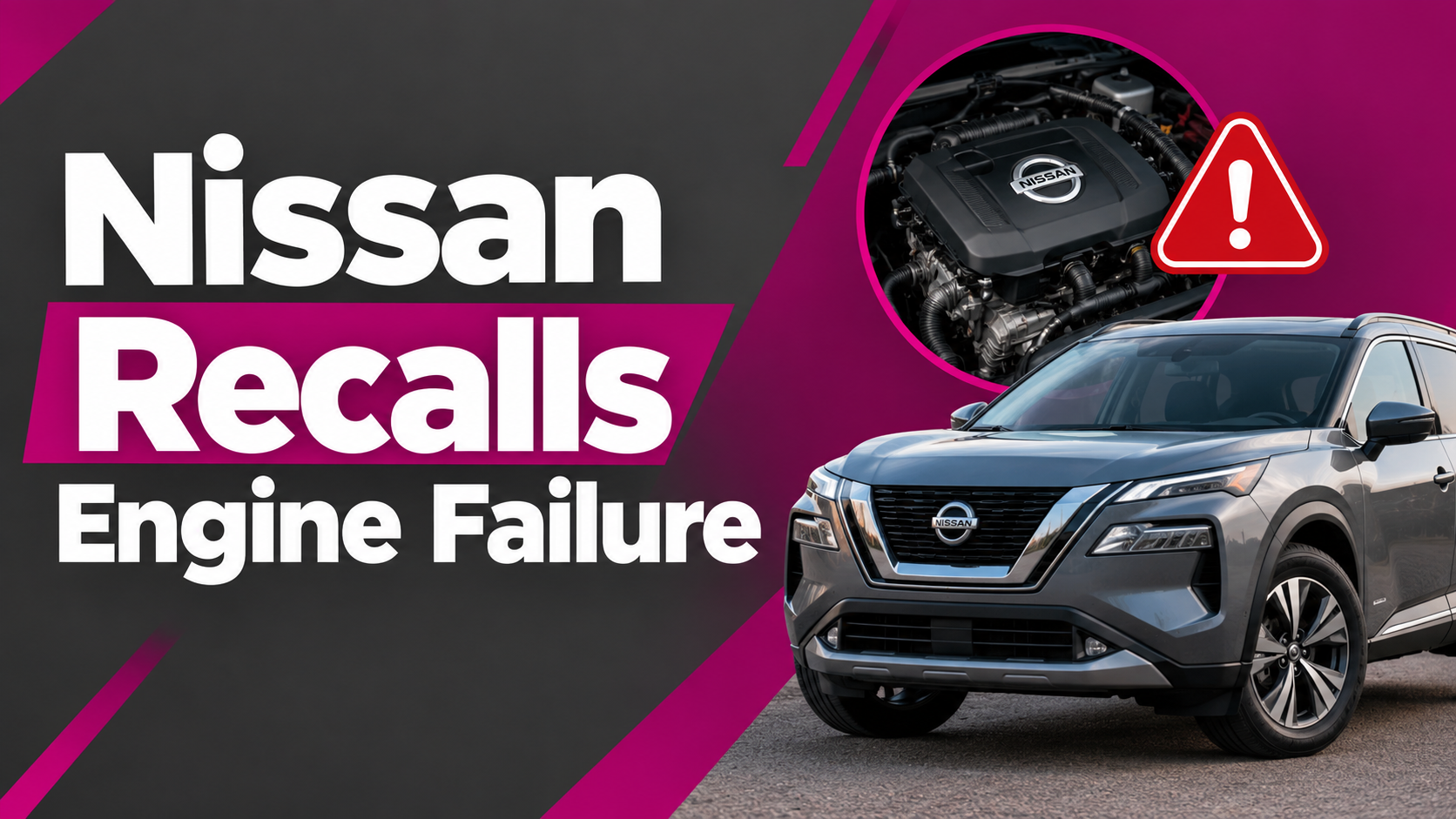
Thousands of Nissan and Infiniti owners have faced sudden engine trouble, from knocking noises to complete power loss while driving. If you own a Rogue, Altima, or certain Infiniti models with a VC-Turbo engine, you may be wondering whether your vehicle is safe. Recent nissan recalls engine failure campaigns address manufacturing defects in bearings and related components that can lead to engine damage, stalling, or even rare fire risks.
This guide explains the issues in plain language, shows you exactly how to check your vehicle identification number (VIN) status, walks through free dealership repairs, and outlines practical legal steps. You will leave with clear actions you can take today to protect yourself and your family.
What Are the Main Nissan Recalls Engine Failure Issues?
Nissan’s variable compression turbo, or VC-Turbo, engines were marketed as innovative for balancing power and efficiency. In practice, certain versions developed problems with internal bearings.
The primary recall (NHTSA campaign 25V437) covers roughly 444,000 vehicles in the United States: most 2021-2024 Nissan Rogues, some 2019-2020 Altimas, 2019-2022 Infiniti QX50s, and 2022 Infiniti QX55s equipped with the 1.5-liter three-cylinder or 2.0-liter four-cylinder VC-Turbo engines. A potential manufacturing defect in the main bearings and the A-, C-, and L-link bearings can allow metal debris to circulate in the oil. Over time this leads to engine damage or outright failure.
If the engine fails while driving, you lose motive power. In rare cases a bearing failure can crack the engine block and spray hot oil, raising the chance of fire. The National Highway Traffic Safety Administration (NHTSA) investigated after receiving reports of knocking, rough running, warning lights, and sudden power loss. Nissan estimates only a small percentage of engines are affected, but every recalled vehicle must be inspected.
Later campaigns expanded the picture. One addresses elevated oil temperatures in certain 2023-2025 Rogues that can degrade lubrication and seize bearings. Another covers fractured gears inside the electronic throttle body on many 2024-2025 Rogues; a broken gear can prevent the vehicle from moving forward or reverse after a stall.
These issues matter because an unexpected engine stall at highway speeds or in traffic creates a clear safety hazard. Owners often describe hearing unusual noises or seeing the malfunction indicator light long before total failure, giving some advance warning. Still, the risk is real enough that free repairs are mandated.
Which Models and Years Are Affected?
Focus first on the confirmed populations:
- 2021-2024 Nissan Rogue (largest group) with 1.5L VC-Turbo
- 2019-2020 Nissan Altima with 2.0L VC-Turbo
- 2019-2022 Infiniti QX50 and 2022 QX55 with 2.0L VC-Turbo
Later Rogue-specific campaigns add more 2023-2025 models for oil-temperature and throttle-body concerns. Newer Muranos and some other Infiniti models use related engines but fall outside the main bearing-failure recall ranges. Always verify your exact vehicle rather than relying on model year alone.
Prospective used-car buyers should treat any VC-Turbo vehicle in these ranges as a higher-scrutiny purchase. A clean title does not guarantee the recall work has been completed.
How the Mechanical Problems Develop
The VC-Turbo design uses a multi-link system to change compression ratio on the fly. That complexity puts unusual loads on specific bearings. A manufacturing variation in those bearings can allow gradual wear. Metal particles then enter the oil stream and accelerate damage elsewhere in the engine.
Symptoms typically appear over time rather than without any warning:
- Abnormal knocking or ticking from the engine compartment
- Rough idle or hesitation under load
- Illuminated check-engine light or dashboard warning messages
- Reduced power or sudden stalling
In the throttle-body cases, the problem often shows up as a no-start or inability to select gear after the vehicle has been shut off.
Crankshaft wear and main-bearing distress are central to the primary recall language. Dealers look for telltale metal debris in the oil pan during the official inspection. Finding that debris usually means a full engine replacement at no cost to you.
Step-by-Step: How to Check Your VIN for Nissan Recalls Engine Failure
You do not need to wait for a letter in the mail. Checking takes only a few minutes and is free.
- Locate your 17-character vehicle identification number (VIN). It appears on the lower left of the windshield, on the driver’s door jamb sticker, and on your registration and insurance cards.
- Go to the official NHTSA site at nhtsa.gov/recalls.
- Enter the VIN in the vehicle search box and submit.
- Review any open safety recalls listed for that exact vehicle. Note the campaign numbers (for example 25V437) and the remedy description.
- Cross-check on Nissan’s own owner site or Infiniti’s equivalent by entering the same VIN. Manufacturer portals sometimes show service campaigns that NHTSA does not list as safety recalls.
If the result shows zero unrepaired recalls, the vehicle is currently clear of open federal campaigns. Still recheck periodically because new VIN ranges can be added as investigations continue. Save a screenshot or PDF of the results for your records, especially if you plan to sell the vehicle later.
For bulk checks (dealers or fleet managers), NHTSA allows up to 100 VINs at once.
Getting Free Dealership Repair Under the Recall
Once you confirm an open recall, schedule an appointment with an authorized Nissan or Infiniti dealer. All work is free of charge for parts and labor.
The typical process for the main bearing campaign looks like this:
- The technician drains the oil and inspects the oil pan for specific metal debris.
- If no debris is present, the remedy is usually an oil change. On 1.5L engines the dealer also replaces the oil-pan gasket and reprograms the engine control module.
- If debris is confirmed (often after consultation with Nissan’s powertrain center), the dealer replaces the entire engine. That job is budgeted for many labor hours, so plan for the vehicle to stay at the shop.
Throttle-body and oil-temperature campaigns follow similar free inspection-and-repair paths: software updates, component replacement if needed, and test drives.
Bring your VIN printout and any prior service records. Ask the service advisor to note the campaign number on the repair order. If you already paid out of pocket for related work before the recall was announced, keep every receipt; reimbursement programs sometimes become available later.
Dealership capacity can be strained after large recalls. Call early, ask about loaner vehicles, and confirm parts availability if an engine swap is likely. Document every conversation.
Safety Risks You Should Not Ignore
An engine stall while merging onto a highway or crossing an intersection is more than an inconvenience. Loss of power steering and power brakes compounds the danger. Fire risk, though described as rare, is serious enough that NHTSA includes it in the official risk language.
Real-world owner reports collected by NHTSA describe vehicles that continued to run roughly for weeks after the first knocking sounds, then failed without further warning. Others lost power abruptly. Either pattern justifies prompt inspection.
If you notice any of the symptoms listed earlier, stop driving the vehicle if it feels unsafe and arrange a tow to the dealer. Continuing to drive a vehicle with suspected bearing damage can turn a free repair into a more complicated (and potentially non-covered) failure.
Legal Options and Class Action Considerations
Federal safety recalls require manufacturers to fix the defect at no cost, but they do not automatically compensate for diminished value, rental expenses, or inconvenience. That is where private legal avenues come into play.
Several class-action lawsuits have been filed alleging that Nissan knew about VC-Turbo bearing and related problems earlier than it publicly acknowledged and that the official recall remedies are inadequate for many owners. These cases remain active in various stages of litigation as of 2026; no final nationwide settlement covering engine failure has been approved at the time of writing. Participation in a class action is usually automatic once a class is certified, but you should monitor official notices.
Individual options include:
- State lemon-law claims if the vehicle has required repeated repairs for the same substantial defect within the warranty period.
- Warranty claims under the original powertrain coverage or any extended coverage Nissan has offered as part of the recall response.
- Claims for out-of-pocket costs if you paid for diagnostics or repairs before the recall notice.
- Potential diminished-value claims if you sell the vehicle after the defect became public.
Keep meticulous records: every repair order, every warning light photo, every communication with the dealer or manufacturer. Consult a consumer-protection or lemon-law attorney in your state if you have suffered repeated failures or significant expense. Many firms offer free initial consultations for these matters.
Practical Tips for Current Owners and Used-Car Shoppers
Current owners should complete any open recall work promptly, maintain regular oil-change intervals with the correct viscosity, and listen for new noises. After a free repair, request the old parts if possible and ask for a printout of the software updates performed.
Used-car buyers should:
- Run the VIN through NHTSA and the manufacturer sites before making an offer.
- Ask the seller for proof that all open recalls have been completed.
- Consider an independent pre-purchase inspection that includes an oil analysis for metal particles.
- Factor potential future repair downtime into the purchase decision.
Automotive enthusiasts following the VC-Turbo story should note that Nissan has made manufacturing process changes over time. Newer engines outside the recalled serial ranges appear less prone to the original bearing defect, but ongoing monitoring by NHTSA remains prudent.
Frequently Asked Questions
How do I know if my specific Nissan or Infiniti has an open engine failure recall?
Enter the full 17-character VIN at nhtsa.gov/recalls. The tool returns only unrepaired safety recalls tied to that exact vehicle.
Will the dealer replace my engine for free?
Only if the inspection finds the specific metal debris that indicates bearing damage. Otherwise the remedy is typically an oil service and software update.
Can I keep driving until the dealer has an appointment?
If the vehicle is running normally and shows no warning lights or unusual noises, short trips are generally acceptable. Any knocking, rough running, or power loss means you should arrange a tow.
What if I already paid for an engine repair before the recall?
Save all receipts and contact Nissan customer service or the dealer that performed the work. Reimbursement eligibility depends on the campaign rules and timing.
Are Murano and Q50/Q60 models included in the main VC-Turbo bearing recall?
The primary campaign focuses on specific Rogue, Altima, QX50, and QX55 ranges. Always verify your VIN rather than assuming based on model name.
Is there a class action settlement I can join right now?
Lawsuits are pending, but no final approved settlement covering these engine failures has been announced. Watch for official court notices or consult an attorney for current status.
Does completing the recall restore the vehicle’s full value?
It eliminates the open safety defect, which helps resale. Some buyers may still discount VC-Turbo vehicles because of the publicity surrounding the issues.
You May Also Like: Justin Billingsley Greene Law: Complete Guide to Legal Services & Representation