 By Tort Law Team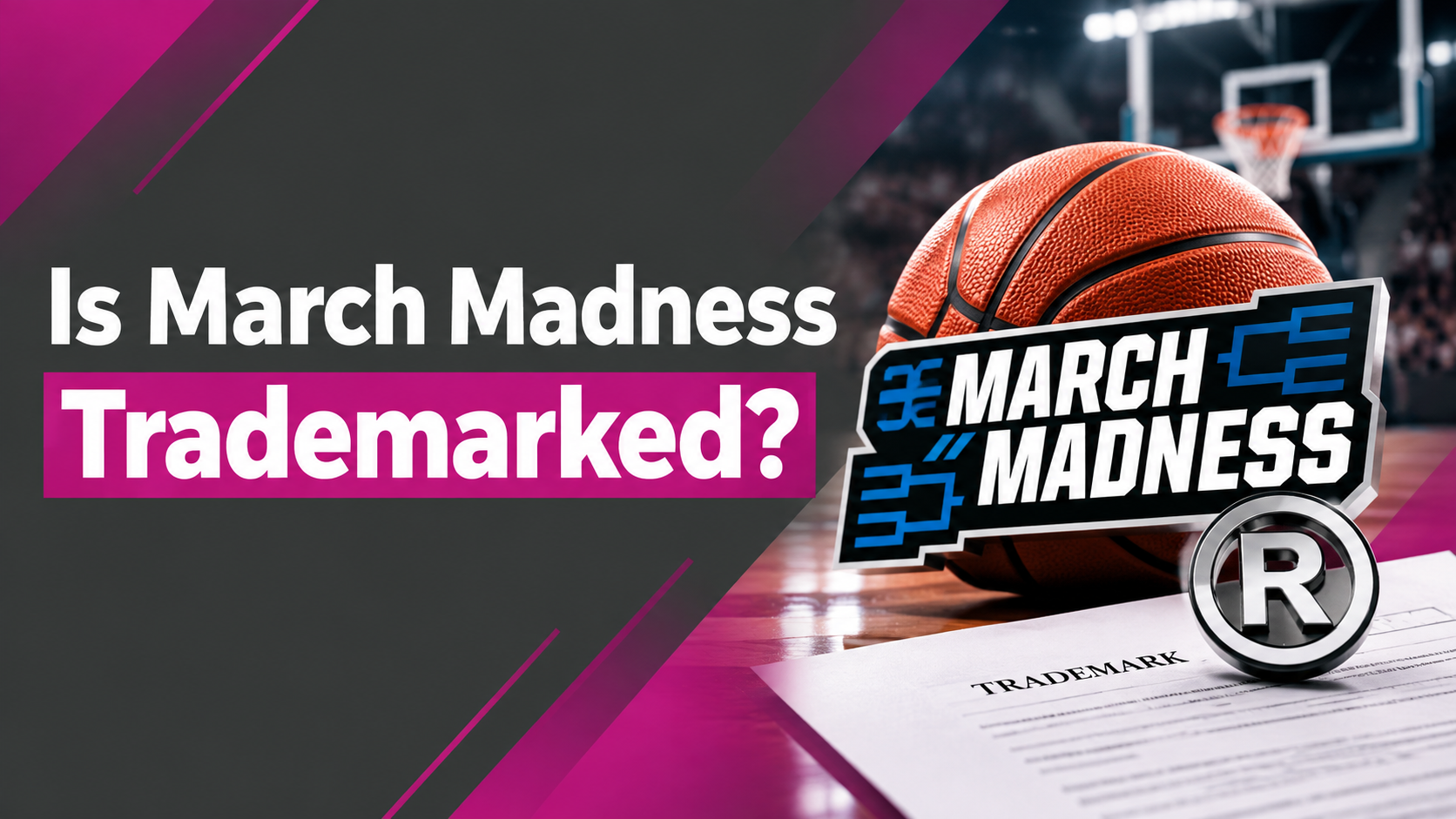
Every spring, offices fill with bracket pools, bars hang team flags, and marketers race to ride the excitement of the college basketball tournament. The question that should stop every campaign planner cold is simple: is March Madness trademarked?
The short answer is yes. The National Collegiate Athletic Association owns federal trademark rights in “March Madness” and a long list of related phrases. Unauthorized commercial use can trigger cease-and-desist letters, lawsuits, and expensive settlements. This guide explains the trademark status, the dual-use history, real enforcement examples, and five practical legal risks marketers face. It also offers compliant alternatives so your promotions stay on the right side of intellectual property rights.
Yes, March Madness Is Trademarked by the NCAA
“March Madness” is a registered trademark of the National Collegiate Athletic Association. The primary registration (U.S. Registration No. 2,485,443) covers entertainment services in the nature of basketball tournaments between college teams. Additional registrations protect the mark on apparel, sporting goods, magazines, soft drinks, and digital content.
The phrase did not begin with the NCAA. Illinois High School Association executive Henry V. Porter used “March Madness” in a 1939 magazine article to describe the state’s high school basketball tournament. The IHSA continued using the term for decades. In 1982, CBS broadcaster Brent Musburger popularized it during national coverage of the NCAA tournament. A Chicago production company later registered the mark, leading to years of litigation. Courts eventually recognized “March Madness” as a dual-use term applying to both the high school and college events. The parties formed a joint entity, and by 2012 the NCAA secured full ownership of the primary rights for the college tournament.
Today the NCAA treats the mark as a core commercial asset. Roughly 85 percent of the association’s annual budget historically has been tied to the tournament and its related licensing. That economic reality drives aggressive policing of unauthorized commercial use.
Other NCAA-Protected Phrases Marketers Must Avoid
The NCAA’s portfolio extends far beyond “March Madness.” Federally registered marks include:
- Final Four® and Final 4®
- Elite Eight® and Elite 8®
- The Big Dance®
- NCAA Sweet Sixteen® and NCAA Sweet 16®
- Road to the Final Four®
- Selection Sunday®
- March Mayhem®
- And Then There Were Four®
“Sweet Sixteen” itself belongs to the Kentucky High School Athletic Association; the NCAA holds rights only in the “NCAA” versions. Derivatives and look-alike phrases (April Madness, Markdown Madness, March Mania) routinely draw opposition or lawsuits because they create a likelihood of confusion.
The NCAA also claims common-law rights in unregistered variations such as March Madness Live and Final Four Fan Fest. Visual elements, bracket graphics, and official logos receive the same protection.
5 Big Legal Risks for Marketers
Using these marks in commercial promotions without a license exposes businesses to several concrete risks.
1. Trademark Infringement Lawsuits Under the Lanham Act
Unauthorized commercial use that is likely to cause consumer confusion constitutes trademark infringement. The NCAA has filed federal lawsuits seeking injunctions, profits, and damages. In March 2026 the association sued DraftKings, alleging the sportsbook used “March Madness,” “Final Four,” “Elite Eight,” and “Sweet Sixteen” in betting menus and promotions, creating a false impression of affiliation. The complaint sought an emergency restraining order and monetary relief.
Similar actions have targeted online promotion companies using “April Madness” and “Final 3,” car dealerships running “Markdown Madness” sales, and even a urology clinic promoting “Vasectomy Mayhem” with basketball imagery. Courts have awarded substantial attorney fees in willful-infringement cases, sometimes exceeding $200,000.
2. Cease-and-Desist Letters and Rapid Enforcement
Most businesses never reach court. The NCAA sends hundreds of cease-and-desist letters each year and has issued more than 50 in a single recent tournament period alone. Letters demand immediate stoppage of use, destruction of materials, and written confirmation of compliance. Ignoring one escalates the matter quickly. Small restaurants advertising “March Madness specials,” bars hosting “Final Four parties,” and retailers running “bracket-busting sales” have all received these notices.
3. False Association and Sponsorship Confusion
Even without using the exact mark, advertising that suggests an official connection violates the Lanham Act’s prohibition on false designation of origin. Headlines such as “Gear Up for March Madness with Our Big-Screen Sale” or social-media posts featuring official-looking brackets can create the impression that the NCAA endorses the product. The association’s Advertising and Promotional Standards prohibit any commercial identification inside tournament brackets and any use that implies sponsorship without a paid Corporate Champion or Partner agreement.
4. Brand Dilution and Tarnishment Claims
Famous marks receive additional protection against dilution. Associating “March Madness” with gambling, adult products, or other categories the NCAA actively distances itself from can support a tarnishment claim. The 2026 DraftKings litigation expressly alleged dilution by tarnishment, citing the NCAA’s long-standing anti-gambling stance and prior court findings that gambling uses harm the mark’s reputation.
5. Financial Exposure Beyond Direct Damages
Even successful defenses are expensive. Litigation costs, lost advertising windows, forced rebranding of campaigns, and potential settlement payments add up. Default judgments and attorney-fee awards amplify the downside for defendants who fail to respond promptly. Non-licensed bracket pools and office pools that charge entry fees or award prizes can also raise separate gambling and promotional-contest issues under state law.
Fair Use Limits in Advertising
Nominative fair use allows reference to a trademarked event when no practical alternative exists and the use does not suggest sponsorship. News reporting, sports commentary, and purely informational content generally qualify. Commercial advertising rarely does. Courts examine whether the mark is used only as much as necessary, whether the defendant does anything to imply affiliation, and whether the overall impression is commercial exploitation.
A car dealer advertising “televisions for watching the college basketball tournament” is safer than “televisions for March Madness.” A restaurant promoting “tournament-viewing specials” avoids the risk of a “March Madness menu.” The safer path is always the generic description.
Practical Alternatives for Compliant Marketing
Marketers can capture seasonal excitement without the trademark risk:
- “College basketball tournament” or “NCAA basketball championship”
- “The big dance of college hoops” (avoiding the registered “The Big Dance”)
- “Bracket season” or “tournament time”
- “Watch the games with us” or “Game-day specials”
- “Office pool season” (if the pool itself complies with local law)
Focus creative energy on team colors (when properly licensed from the schools), player NIL deals that stay clear of event marks, and generic basketball imagery. Official Corporate Champions and Partners receive limited rights under strict guidelines; everyone else should stay outside those boundaries.
How the NCAA Enforces Its Intellectual Property Rights
Enforcement is systematic. The association monitors social media, local advertising, domain names, and retail promotions. It deploys “clean zones” around Final Four venues that restrict unlicensed merchandise. It opposes trademark applications containing “Madness,” “Four,” or “Eight” formatives at the USPTO. It partners with The Collegiate Licensing Company for merchandise control and maintains a formal Trademark Protection Program.
Businesses that receive a letter should consult counsel immediately, document all uses, and prepare a prompt response. Continuing use after notice strengthens a willfulness finding.
Step-by-Step Guide to Staying Compliant
- Audit every planned campaign, social post, email subject line, and in-store sign for protected phrases.
- Replace any flagged language with generic alternatives.
- Avoid bracket graphics that mimic official NCAA designs.
- Never place commercial logos or offers inside a tournament bracket.
- If you want official association, contact the NCAA Corporate Relationships staff well in advance; licenses are limited and expensive.
- Review state law on promotional contests and office pools separately.
- Keep records of clearance decisions in case questions arise later.
Conclusion
Is March Madness trademarked? Yes, and the NCAA defends the mark and its family of related phrases with consistent vigor. Marketers who treat the tournament as free promotional fuel risk infringement claims, cease-and-desist demands, dilution allegations, and significant legal costs. The practical solution is straightforward: use descriptive language, avoid any suggestion of official status, and reserve trademarked terms for licensed partners only.
Before launching your next spring campaign, run a quick trademark check and, when in doubt, consult an intellectual property attorney familiar with sports marketing. A few careful word choices today can prevent an expensive legal scramble tomorrow.
Frequently Asked Questions
Can I use “March Madness” in advertising if I am not an official sponsor?
No. Commercial advertising that uses the mark without a license creates a risk of trademark infringement and false association claims.
Is Final Four trademarked?
Yes. “Final Four,” “Final 4,” and related phrases are registered trademarks of the NCAA.
What about office bracket pools?
Friendly pools with no entry fee are generally low risk for trademark issues, but charging money or awarding substantial prizes can trigger gambling and promotional-contest laws in addition to potential trademark concerns if the pool is heavily promoted with protected marks.
Does fair use protect my social-media posts?
Nominative fair use is narrower in commercial contexts. Purely informational posts are safer than posts that promote products or services.
Can I say “March Madness” in news coverage?
Yes. News reporting and commentary fall within traditional fair-use protections when the mark is used only to identify the event.
What happens if I receive a cease-and-desist letter?
Stop the challenged use immediately, preserve evidence, and contact counsel. Prompt, good-faith responses often resolve matters without litigation.
Are there safe alternatives for promotions?
Yes. Phrases such as “college basketball tournament,” “tournament time,” and “game-day specials” convey the same seasonal energy without using protected marks.
You May Also Like: CP Studios LLC Asserting Gaming Patents Against Twitch: What Tech Platforms Need to Know